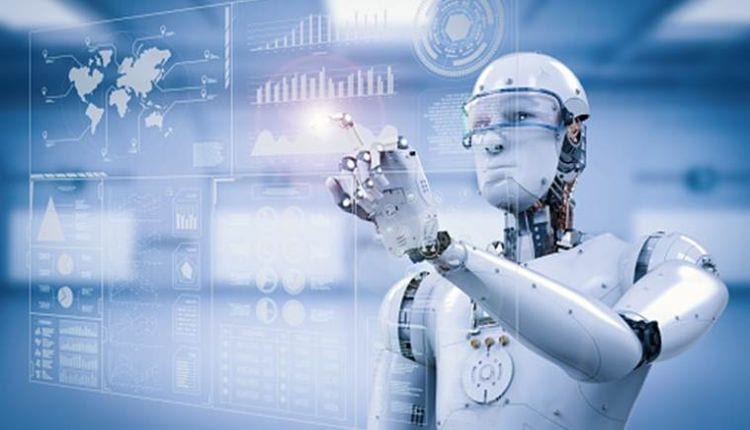
Technology rarely moves in straight lines—it accelerates in waves. Over the next five years, advances in artificial intelligence, connectivity, automation, healthcare innovation, and digital infrastructure are expected to reshape everyday life faster than many people anticipate. This article explores practical, evidence-based predictions about how technology is likely to evolve between now and 2031 and what those changes could mean for individuals, businesses, and society.
The Rise of Practical Artificial Intelligence Everywhere 🤖
Artificial intelligence is shifting from experimental systems to embedded everyday infrastructure. Instead of being limited to chatbots or analytics tools, AI will increasingly operate behind the scenes in nearly every digital interaction.
Key expected developments include:
- Personal AI assistants managing schedules, purchases, travel, and communication
- AI-enhanced productivity software that writes, summarizes, and analyzes instantly
- Smarter cybersecurity systems detecting threats before damage occurs
- Real-time language translation becoming seamless across devices
Rather than replacing entire professions, AI will more often reshape workflows, allowing people to focus on higher-value tasks requiring judgment and creativity.
Automation Expands Beyond Factories into Services
Automation used to be associated mainly with manufacturing lines. Over the next five years, automation technologies will increasingly affect service-based sectors such as logistics, retail, healthcare administration, and education support systems.
Expect progress in areas like:
- Autonomous warehouse operations
- Self-checkout retail environments with minimal staff intervention
- AI-powered diagnostics assisting medical professionals
- Automated financial compliance monitoring
Importantly, automation will not eliminate work entirely—it will change skill requirements across industries.
Smarter Cities Become Operational Reality 🏙️
Urban technology initiatives are moving from pilot projects to full-scale deployment. Cities are investing heavily in digital infrastructure that improves transportation, energy use, safety, and public services.
Likely improvements include:
- AI-controlled traffic management reducing congestion
- Smart street lighting lowering electricity consumption
- Sensor-based waste management systems improving sanitation efficiency
- Integrated emergency response coordination platforms
These upgrades will make cities more responsive, sustainable, and efficient without requiring major lifestyle changes from residents.
Healthcare Becomes Predictive Instead of Reactive 🧬
Healthcare technology is entering a phase where prevention matters as much as treatment. Advances in wearable sensors, AI-assisted diagnostics, and personalized medicine are already shifting medical strategies.
Within five years, we can expect:
- Continuous health monitoring through wearable devices
- Earlier disease detection using predictive analytics
- Remote diagnostics supported by telemedicine platforms
- Increased adoption of AI-supported medical imaging interpretation
This transformation will help healthcare systems reduce costs while improving patient outcomes.
The Expansion of Ultra-Fast Connectivity
Connectivity infrastructure is becoming the backbone of digital transformation. Faster networks will enable technologies that depend on real-time data exchange.
Important developments include:
- Wider rollout of next-generation mobile networks
- Growth of satellite-based internet coverage in remote regions
- Expansion of edge computing for faster local processing
- More reliable infrastructure for autonomous transportation systems
Improved connectivity will make advanced services accessible to larger global populations, especially outside major metropolitan areas.
Mixed Reality Moves from Novelty to Productivity Tool 🥽
Virtual reality and augmented reality are gradually transitioning from entertainment platforms to practical workplace solutions.
Expected real-world adoption includes:
- Remote technical training simulations
- Virtual collaboration environments replacing traditional meetings
- AR-assisted maintenance for industrial equipment
- Interactive educational learning experiences
These tools will reduce travel needs while increasing training efficiency and engagement.
Cybersecurity Becomes a Daily Priority for Everyone
As digital systems expand, cybersecurity will no longer remain a specialized concern. Individuals and organizations alike will rely on automated protection systems built directly into devices and services.
Future trends likely include:
- AI-driven identity verification replacing passwords
- Behavioral authentication using usage patterns
- Built-in fraud detection for financial transactions
- Increased regulation around digital privacy protections
Security will become invisible but essential infrastructure rather than an optional add-on.
Sustainable Technology Gains Strategic Importance 🌱
Environmental concerns are influencing how technology is designed and deployed. Energy-efficient systems and sustainable computing practices are becoming central priorities across industries.
Key shifts expected in the near future:
- Growth of low-power data centers
- Increased adoption of renewable-powered cloud infrastructure
- Smarter energy grids balancing supply automatically
- Expansion of electric mobility ecosystems
Sustainability is moving from a corporate responsibility initiative to a core technology requirement.
The Workplace Becomes Hybrid by Design
Remote collaboration tools introduced earlier in the decade are evolving into permanent infrastructure rather than temporary solutions.
Future workplaces will likely feature:
- Flexible hybrid attendance models
- AI-supported workflow coordination
- Real-time collaborative digital environments
- Distributed global hiring practices
Organizations will increasingly prioritize output quality over physical presence, reshaping how teams operate worldwide.
FAQ: Technology Predictions for the Next Five Years
1. Will artificial intelligence replace most jobs in the next five years?
AI is more likely to transform job roles than eliminate them. Many professions will shift toward tasks involving supervision, strategy, and creativity rather than routine execution.
2. Which industries will change the fastest by 2031?
Healthcare, logistics, finance, education technology, and transportation are expected to experience the most visible transformation due to automation and AI integration.
3. How will faster internet affect everyday users?
Faster connectivity will improve streaming quality, enable real-time remote collaboration, support smart devices, and expand access to advanced digital services in rural areas.
4. Are smart cities expensive to maintain?
Although initial infrastructure investments can be significant, smart systems often reduce long-term operational costs through efficiency improvements.
5. Will wearable health technology become standard?
Wearables are already becoming common. Within five years, many devices may provide continuous monitoring features that assist early disease detection and preventive care.
6. How important will cybersecurity be for individuals?
Cybersecurity will become part of daily digital life. Automated identity protection and fraud detection tools will increasingly operate in the background.
7. Is mixed reality likely to replace traditional offices?
Mixed reality will not fully replace physical offices but will significantly improve remote collaboration, training, and communication efficiency across distributed teams.